
How to Care for Your African Textiles — The Fabric Care Guide
Before anything else, understand this: cold water is your best friend, and heat is the enemy.
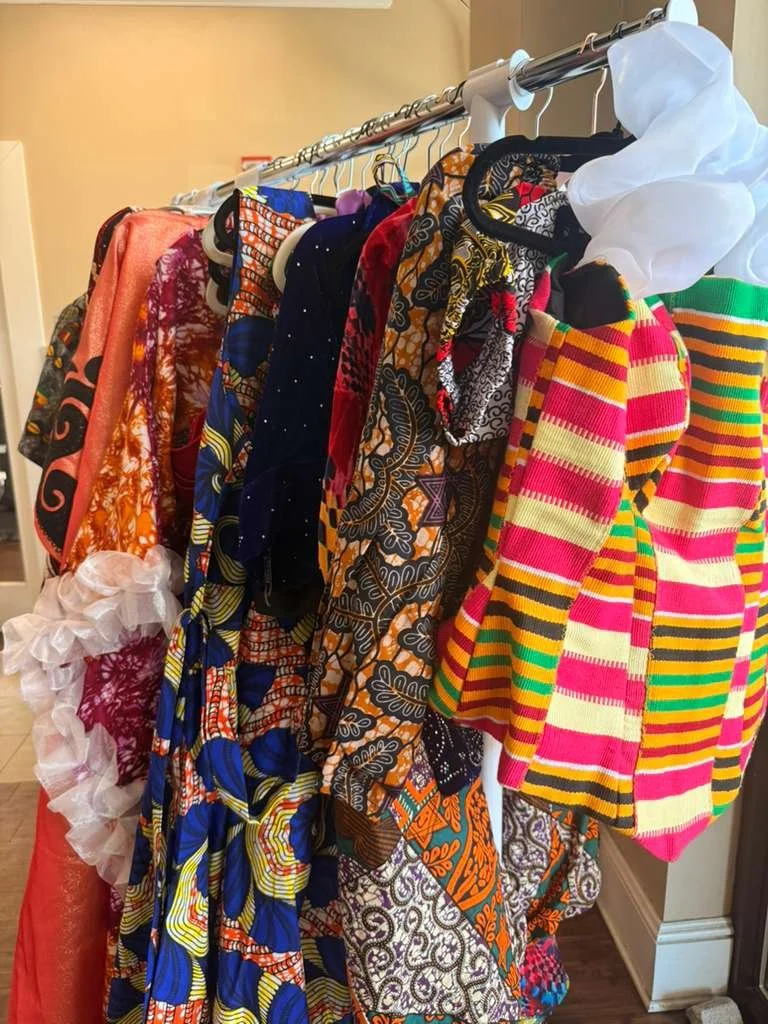
Your TETSO pieces were handcrafted by artisans across Africa. The fabrics were sourced with care, the colors chosen with intention, and the construction done by hand. Proper care ensures these pieces stay as vibrant and beautiful as the day they arrived at your door. This guide covers everything you need to know.The Golden Rule
Before anything else, understand this: cold water is your best friend, and heat is the enemy. Nearly every care mistake comes from hot water, hot dryers, or extreme direct sunlight. Best sunlight is around 6am-11am and 3pm-6pm. If you remember nothing else from this guide, remember: cold wash, air dry, light shade if possible.
Washing
Water temperature: Cold, always. Heat opens fibers and can release dye, especially in hand-dyed pieces.
First two washes: Wash new pieces alone or with similar dark colors only. Hand-dyed fabrics (tie-dye, batik, indigo) will release some excess dye in the first few washes. This is completely normal — the dye is setting, not fading. After 2-3 washes, the color stabilizes.
By hand (recommended): Fill a basin with cold water, add a small amount of mild detergent (pH-neutral, no bleach, no biological powder). Submerge the garment, gently agitate or scrub for a few minutes, then rinse in cold water until the water runs clear.
By machine: Use the delicate or hand-wash cycle at 30°C maximum. Turn garments inside out before washing. Use a mesh laundry bag for delicate pieces like lace or chiffon.
What to avoid: Never use bleach. Never use biological detergent (the enzymes can break down natural dyes). Never soak for extended periods — prolonged soaking can cause dye migration.
Drying
Air dry, always. Lay flat on a clean, dry towel or hang on a clothesline. This is the single best thing you can do for your garments.
Never wring. Wringing distorts the fabric and can crack wax-print patterns. Instead, press water out gently by rolling the garment in a dry towel.
Never dry in direct sunlight. UV light fades dye — even high-quality, fiber-reactive dyes will lose vibrancy over time with sun exposure. Dry in light shade.
Tumble dryer: Avoid whenever possible. If you must, use the lowest heat setting and remove while still slightly damp. High heat shrinks cotton and can permanently damage hand-dyed colors.
Heavy fabrics: Don’t hang heavy wet kente or thick cotton from a single point — the weight will stretch the fabric. Lay flat instead.
Ironing
Iron on the reverse side. Always flip the garment inside out before ironing. This protects the printed or dyed face from direct heat.
Medium heat only. Cotton and Ankara can handle medium heat. Lace, chiffon, and rayon need low heat.
Use a pressing cloth. If you must iron the face side directly, place a clean damp cotton cloth between the iron and the fabric.
Never iron damp hand-dyed fabric. The moisture can cause dye to transfer to your ironing board or iron. Let the garment dry fully first.
Steam: Steaming is a gentler alternative to ironing and works well for removing wrinkles from delicate fabrics without direct contact.
Storage
Fold, don’t hang long-term. Hanging heavy African fabrics (especially kente and thick cotton) over time can cause stretching and distortion at the shoulders.
Store away from light. Even indoor light can gradually fade dyes over months. Keep garments in a closet or drawer, not displayed on open racks near windows.
Keep away from perfume and body spray. Alcohol-based fragrances can lift dye permanently, leaving discolored spots. Apply perfume to your skin before dressing, not after.
For long-term storage: Wrap in acid-free tissue paper or clean cotton muslin. Avoid plastic bags — they trap moisture and can cause mildew in humid climates.
Cedar or lavender sachets are a natural, chemical-free way to keep moths and mustiness away from stored garments.
Fabric Specific Care Notes
Ankara Wax Print: The most durable of our fabrics. Colors are set during the wax-resist printing process, so fading is minimal. Cold wash, medium iron on reverse. Very forgiving and easy to care for.
Kente: Dry clean is ideal for authentic handwoven kente. If hand washing, use cold water and a very mild detergent. Never wring. Lay flat to dry. Store folded, never on hangers.
Tie-Dye / Batik (Adire): Wash alone for the first 2-3 washes. Cold water only. The organic patterns will soften beautifully over time — this is the fabric aging as intended, not deteriorating.
Raw Cotton: The easiest to care for. Machine washable on gentle cycle, cold water. Gets softer with every wash. Air dry for best results.
Lace: Hand wash only. Cold water, mild detergent. Never wring — press water out in a towel. Lay flat to dry. Iron on reverse with a pressing cloth.
100% Linen: Cold wash, easy care — linen is durable and forgiving. It softens beautifully with each wash. Don’t fight the natural wrinkles — they’re part of linen’s character. Iron while slightly damp for a crisper finish. Air dry flat or on a line. Machine washable on gentle cycle.
Silk: Dry clean is the safest option. If hand washing, use cold water with a silk-specific or very mild detergent. Never wring or twist. Press water out gently in a towel. Air dry flat away from sunlight. Iron on the lowest setting on the reverse side while slightly damp, or use a steamer. Never spray perfume directly onto silk — it stains permanently.
Satin: Hand wash cold with mild detergent, or dry clean. Never wring — the weave can distort and lose its sheen. Air dry flat away from direct heat and sunlight. Iron on the reverse side only at low heat to protect the glossy surface. Store folded in tissue paper to prevent creasing and snagging from other fabrics.
Chiffon: The most delicate fabric in our collection — treat it with extra care. Hand wash only in cold water with very mild detergent and minimal agitation. Never wring or twist. Lay flat on a towel to dry. Iron on the lowest setting with a pressing cloth between the iron and fabric. Alternatively, hang in a steamy bathroom to release wrinkles naturally. Store hanging to avoid permanent creasing.
Beaded Sandals and Leather: Wipe clean with a damp cloth. Do not submerge in water. Keep away from direct heat. Condition leather periodically with a natural leather balm. Store in a cool, dry place.
Glass Bead Jewelry: Wipe with a soft, dry cloth after wearing. Avoid contact with water, perfume, and lotions. Store in a fabric pouch or jewelry box to prevent tangling and scratching.
The Quick Reference Cheat Sheet
Water temperature → Cold, alwaysFirst wash → Alone or with similar colorsDetergent → Mild, pH-neutral, liquid. No bleach.Machine wash → Delicate cycle, 30°C maxHand wash → Always the safest optionTumble dry → Avoid. Air dry in shade.Direct sunlight → Never. Fades color.Iron → Reverse side, medium heatWring → Never. Press gently instead.Perfume contact → Avoid. Can lift dye permanently.Soaking → Never for extended periodsStorage → Fold, dark closet, away from perfumeQuestions About Caring for Your Pieces?
We’re here to help. Whether you spilled something on your favorite Ankara dress or you’re not sure how to store your kente, reach out and we’ll walk you through it.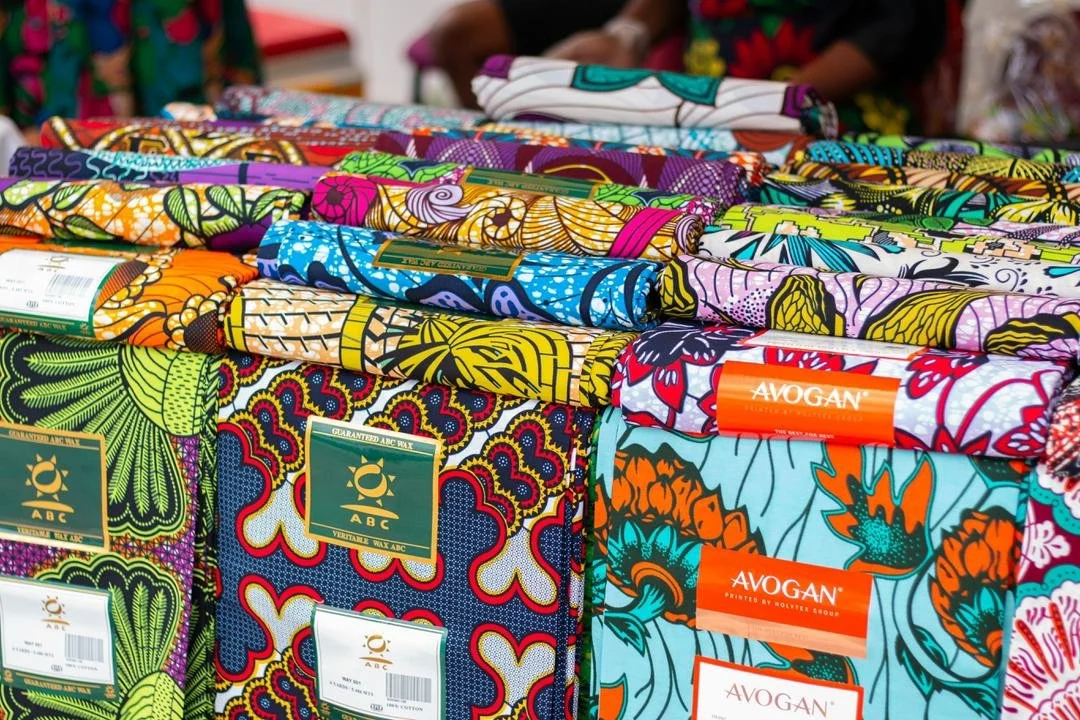
Your Fabric Guide — Know What You’re Wearing
The foundation fabric of Africa. Cotton has been grown and woven across the continent for thousands of years.
Every garment we sell starts with fabric. Not just any fabric but textiles sourced from across Africa, each carrying centuries of tradition, meaning, and craftsmanship. Whether you’re shopping for your first Ankara dress or transitioning your entire wardrobe to sustainable African fashion, understanding your fabric changes everything. This guide breaks down every textile you’ll find in our marketplace.At a Glance:
If you’re in a hurry, here’s the quick comparison. Scroll down for the full story on each fabric.ANKARA WAX PRINT
Feel: Crisp, structuredDrape: MediumBest for: Everyday wear, fitted garments, statement piecesCare: Cold hand washBreathability: Excellent
KENTE
Feel: Firm, wovenDrape: Low, structuredBest for: Formal occasions, ceremonial wear, statement accessoriesCare: Dry clean recommendedBreathability: Moderate
TIE-DYE(ADIRE)
Feel: Soft, organicDrape: Medium to highBest for: Casual wear, boho styles, layeringCare: Cold hand wash, wash alone firstBreathability: Very good
RAW COTTON
Feel: Soft, naturalDrape: MediumBest for: Everyday essentials, loungewear, children’s clothingCare: Cold wash, easyBreathability: Excellent
LACE
Feel: Delicate, texturedDrape: MediumBest for: Occasion wear, bridal, overlaysCare: Hand wash onlyBreathability: Good
BATIK
Feel: Smooth, hand-finishedDrape: Medium to highBest for: Dresses, wraps, home décorCare: Cold hand washBreathability: Very good
RAW LINEN
Feel: Crisp, textured, softens with ageDrape: Low to medium, structuredBest for: Structured pieces, men’s wear, home décorCare: Cold wash, air dryBreathability: Excellent
RAW SILK
Feel: Luxuriously smooth, lightweightDrape: Very high, fluidBest for: Formal wear, bridal, evening gowns, scarvesCare: Dry clean or gentle hand washBreathability: Very good
RAW SATIN
Feel: Glossy, sleek, cool to touchDrape: High, liquid-likeBest for: Evening wear, occasion dresses, linings, head wrapsCare: Hand wash cold, air dryBreathability: Moderate
CHIFFON
Feel: Weightless, sheer, airyDrape: Very high, floatyBest for: Overlays, bridal, evening wear, scarvesCare: Hand wash only, very gentleBreathability: Good
Ankara Wax Print
The fabric most people picture when they think of African fashion. Ankara is a 100% cotton fabric printed with vibrant, bold patterns using a wax-resist dyeing technique. The wax is applied to the cloth before dyeing, creating those distinctive sharp-edged designs that African fashion is known for worldwide.
Feel: Crisp and structured with a slight stiffness that softens with wear and washing. Holds its shape beautifully.
Drape: Medium — ideal for fitted silhouettes, A-line cuts, and structured designs. Not as fluid as tie-dye or rayon.
Why we love it: The patterns tell stories. Traditional Ankara motifs carry cultural meanings — from proverbs to social commentary. When you wear Ankara, you’re wearing a conversation.
Best for: Fitted dresses and gowns (like our Ankara Strapless Maxi Dress), corporate two-pieces, jumpsuits, men’s shirts, bags, and accessories like hand fans.
Health note: Ankara is 100% cotton, making it naturally breathable, hypoallergenic, and gentle on sensitive skin. It absorbs moisture rather than trapping it, which is why it’s been the textile of choice in tropical Africa for generations.
Care: Cold hand wash or gentle machine cycle at 30°C max. Colors are set during the wax-resist process, so fading is minimal with proper care. See our Fabric Care guide for detailed instructions.
Kente
Originating from the Ashanti and Ewe people of Ghana, kente is one of the most recognizable African textiles in the world. It’s a handwoven cloth made on traditional looms, with each color and pattern carrying specific cultural significance.
Feel: Firm, woven texture with a distinctive weight. This is not a casual, throwaway fabric — it demands presence.
Drape: Low to medium — kente holds its structure, making it ideal for garments that need to maintain a defined shape.
Why we love it: Kente is royalty in textile form. Historically reserved for Ashanti kings and special occasions, it represents wealth, cultural pride, and celebration. Each color means something: gold (royalty, wealth), green (growth, renewal), blue (peace, love), red (passion, struggle).
Best for: Formal and ceremonial wear, statement jumpsuits (like our Kente-Inspired Jumpsuit), wraps, stoles, and accent pieces. Also beautiful as home décor — table runners, cushion covers, and wall hangings.
Health note: Traditional kente is woven from cotton or silk threads, both natural fibers that breathe well. Authentic handwoven kente contains no synthetic chemicals.
Care: Dry clean is recommended for authentic handwoven kente. Machine-printed kente-inspired cotton fabrics can be cold hand washed. Store folded, never on hangers — the weight can stretch the weave.
Tie-Dye (Adire)
African tie-dye predates the 1960s Western version by centuries. Known as Adire in Yoruba culture, this technique involves tying, folding, or stitching fabric before submerging it in natural or fiber-reactive dyes. The result is organic, unrepeatable patterns where no two pieces are ever identical.
Feel: Soft and organic. The hand-dyeing process gives the cotton a gentle, lived-in quality right from the start.
Drape: Medium to high depending on the base fabric. Cotton tie-dye has a relaxed drape; rayon-based tie-dye flows like liquid.
Why we love it: Every single piece is one of a kind. The artisan’s hand, the way the fabric was tied, even the temperature of the dye bath — all of these create patterns that can never be exactly replicated. You are literally wearing an original artwork.
Best for: Maxi dresses, boho-style garments, casual everyday pieces, children’s clothing, and lightweight wraps. Our Vibrant Cotton Tie-Dye Dress is a perfect example.
Health note: Many of our tie-dye artisans use natural plant-based dyes (indigo from the indigofera plant, brown from kola nuts, yellow from turmeric). Even fiber-reactive dyes used in modern African tie-dye bond molecularly to the fabric, meaning no loose chemicals sitting on the surface against your skin.
Care: Cold hand wash. Wash alone for the first 2-3 washes as excess dye may release — this is completely normal and does not mean the fabric is losing color. See our Fabric Care guide for the full breakdown.
Raw Cotton
The foundation fabric of Africa. Cotton has been grown and woven across the continent for thousands of years. TETSO’s raw cotton pieces use unbleached or minimally processed cotton that retains its natural softness and breathability.
Feel: Soft, natural, with a comforting weight. Gets softer with every wash.
Drape: Medium — substantial enough for structure but not stiff.
Why we love it: It’s honest fabric. No chemical treatments, no synthetic blends — just pure cotton the way nature made it. This is the fabric people choose when they’re transitioning away from fast fashion and toward something their skin and the planet can both feel good about.
Best for: Everyday wear, loungewear, children’s clothing, undergarments, home textiles, and anyone with sensitive skin or chemical sensitivities.
Health note: This is our top recommendation for customers transitioning to organic fashion for health reasons. Raw, unbleached cotton is free from formaldehyde finishes, optical brighteners, and synthetic dyes that are standard in mass-produced clothing. If you have eczema, chemical sensitivity, or simply want to reduce your toxic load, start here.
Care: Cold wash, easy care. Cotton is forgiving and durable. It can handle machine washing on a gentle cycle. Air dry for best results.
Lace
African lace (also called Aso Oke lace or Swiss/Austrian lace, depending on origin) is a staple of West African occasion wear. It’s the fabric of weddings, naming ceremonies, and celebrations.
Feel: Delicate, textured, with intricate patterning woven into the fabric itself.
Drape: Medium — structured enough for fitted bodices, fluid enough for skirts and overlays.
Why we love it: Lace turns any garment into an event. It’s the fabric that makes people ask “where did you get that?” The craftsmanship in quality African lace is extraordinary — each piece is essentially wearable art.
Best for: Formal occasion wear, bridal outfits, iro and buba sets, overlays, and accent details on other garments.
Care: Hand wash only in cold water with mild detergent. Never wring — press water out gently. Lay flat to dry. Iron on reverse side with a pressing cloth.
Batik
Batik is a wax-resist dyeing technique (similar to Ankara but done by hand rather than machine-printed). Artisans hand-apply melted wax to fabric using stamps, stencils, or freehand tools, then dye the cloth. Where the wax sits, the dye doesn’t penetrate — creating unique, hand-finished patterns.
Feel: Smooth with a hand-finished quality. The wax process gives the fabric subtle variations in texture.
Drape: Medium to high — works beautifully for flowing garments.
Why we love it: Batik is where the artisan’s hand is most visible. Unlike machine-printed Ankara, every batik piece shows the human touch — slight variations in wax application, subtle color blending where dye meets wax edge. It’s authenticity you can see and feel.
Best for: Dresses, wraps, maxi skirts, scarves, and home décor like cushion covers and table linens.
Care: Cold hand wash. The hand-applied wax is removed during production, but the fabric retains a beautiful hand-finished quality. Wash gently to preserve the depth of the dye work.
Raw Linen
One of the oldest textiles in human history, worn in warm climates for thousands of years. Linen is made from the flax plant and is naturally stronger than cotton. It’s the fabric with the most personality. It softens and improves with every wash, developing a beautiful lived-in character that no other fabric can replicate.
Feel: Crisp and textured when new, becoming wonderfully soft and supple with age. Linen has a natural, earthy quality that feels substantial without being heavy.
Drape: Low to medium — structured enough for tailored pieces like blazers and trousers, while still draping elegantly in looser silhouettes like kaftans and agbadas.
Why we love it: Linen tells the truth. It wrinkles — and that’s part of its charm. Those natural creases are a sign of real, living fabric, not synthetic uniformity. It’s the fabric that says “I chose quality over perfection.”
Best for: Structured blazers and tailored pieces, men’s shirts and trousers, agbadas and kaftans, home décor (cushions, runners, wall hangings), and unisex silhouettes. Batik wax-resist on linen creates extraordinary results.
Health note: Linen is naturally hypoallergenic, antibacterial, and moisture-wicking. It absorbs up to 20% of its weight in moisture before feeling damp, making it ideal for hot climates and sensitive skin. It contains no chemical finishes in its natural state.
Care: Cold wash, air dry. Linen softens beautifully with each wash — don’t fight the wrinkles, embrace them. Iron while slightly damp for a crisper finish, or leave natural for a relaxed look.
Silk
The most luxurious natural fiber in the world, produced from the cocoons of silkworms. Silk has been a symbol of elegance and status across cultures for millennia. In the African fashion context, silk is used for premium occasion wear, ceremonial garments, and pieces that demand a certain reverence when worn.
Feel: Luxuriously smooth, lightweight, and cool against the skin with a natural sheen that catches light beautifully. Nothing else feels quite like silk.
Drape: Very high — silk flows and moves with the body in a way that is almost liquid. It creates effortlessly elegant silhouettes.
Why we love it: Silk elevates everything. A simple cut becomes extraordinary in silk because the fabric does the work — the way it catches light, the way it moves, the way it feels against skin. It’s the fabric you reach for when the moment matters.
Best for: Formal evening gowns, bridal wear, luxurious kaftans, head wraps and scarves, blouses, and special occasion pieces. Also stunning as linings for structured garments.
Health note: Silk is a natural protein fiber that is naturally hypoallergenic and resistant to dust mites. It regulates temperatures. This means cool in summer, warm in winter. The smooth surface creates minimal friction against skin, making it gentle for people with eczema or sensitive skin. Pure silk contains natural amino acids that are actually beneficial for skin and hair.
Care: Dry clean is the safest option. If hand washing, use cold water with a silk-specific or very mild detergent. Never wring or twist, just press water out gently in a towel. Air dry flat, away from sunlight. Iron on the lowest setting on the reverse side while slightly damp, or use a steamer.
Satin
Satin is not a fiber but a weave — a technique where threads are woven in a way that creates a glossy, smooth surface on one side and a matte finish on the other. Satin can be made from silk (the most premium), polyester, or a blend. At TETSO, we prioritize silk satin and high-quality blends that deliver the luxurious look without compromising on feel.
Feel: Glossy, sleek, and cool to the touch. The smooth surface glides against skin, creating an unmistakable sense of luxury.
Drape: High — satin falls in heavy, liquid-like folds that create dramatic silhouettes. It clings to curves and catches light in a way that photographs beautifully.
Why we love it: Satin is drama. It turns heads in low light, photographs like a dream, and makes the wearer feel like they’re wrapped in something special. It’s the fabric of celebrations — weddings, galas, milestone moments.
Best for: Evening and occasion dresses, bridal party outfits, luxurious head wraps and geles, blouse details, and garment linings. Satin pairs beautifully with lace overlays for a layered occasion look.
Health note: Silk satin retains all the hypoallergenic benefits of pure silk. For customers with sensitive skin, we recommend confirming the satin composition — silk satin is ideal, while polyester satin may not breathe as well. Always check product descriptions for fiber content.
Care: Hand wash cold with mild detergent, or dry clean. Never wring as this may cause the weave to distort. Air dry flat, away from direct heat and sunlight. Iron on the reverse side only at low heat, or steam. Store folded in tissue paper to prevent creasing and snagging.
Chiffon
The most delicate and ethereal fabric in our collection. Chiffon is a sheer, lightweight fabric with a soft, slightly rough texture that creates beautiful movement. It’s traditionally made from silk, but modern chiffon also comes in polyester or blended versions. Hand-dyeing chiffon requires exceptional skill — the colors appear softer, almost watercolor-like, because the dye interacts with the sheer weave.
Feel: Almost weightless and floaty. Chiffon has a slight texture to the touch despite its sheer appearance — it’s not slippery like satin but has an airy, cloud-like quality.
Drape: Very high — chiffon catches air and moves with even the slightest breeze. It’s the fabric that creates those cinematic, slow-motion moments.
Why we love it: Chiffon is pure elegance. There’s something about a chiffon overlay or a chiffon-sleeved dress that takes a garment from beautiful to breathtaking. It adds dimension, movement, and romance to any design.
Best for: Formal evening wear, bridal and wedding party pieces, overlays and layered skirts, floaty blouses, headscarves and wraps, and sleeve details on structured garments.
Health note: Silk chiffon is naturally breathable and hypoallergenic. Polyester chiffon is less breathable but still lightweight enough for layering. For customers with heat sensitivity, silk chiffon is the better choice as it regulates temperature more effectively.
Care: Hand wash only. chiffon is delicate. Cold water, very mild detergent, minimal agitation. Never wring or twist. Lay flat on a towel to dry. Iron on the lowest setting with a pressing cloth, or better yet, hang in a steamy bathroom to release wrinkles naturally. Store hanging (unlike heavier fabrics) to avoid permanent creasing.
Why Fabric Matters for Your Health
If you’re one of the growing number of people exploring sustainable and organic fashion for health reasons then this section is for you.
Most fast fashion is made from synthetic fabrics (polyester, nylon, acrylic) treated with a cocktail of chemicals: formaldehyde for wrinkle resistance, azo dyes that can release carcinogenic compounds, and PFAs (“forever chemicals”) for water resistance. These substances sit against your skin, your largest organ — every day.
African textiles, particularly the ones TETSO sources, offer a fundamentally different approach. Our cotton is breathable and often minimally processed. Our hand-dyed fabrics use fiber-reactive dyes that bond to the fiber rather than coating it. Our kente is handwoven from natural threads. None of this is marketing but centuries-old tradition that happens to align perfectly with what modern health-conscious consumers are looking for.
If you’re considering a wardrobe transition, our free Wardrobe Transition Consultation is designed exactly for this. We’ll walk you through which fabrics work best for your needs, help you plan a phased replacement of synthetic garments, and build a wardrobe that’s beautiful, sustainable, and safe.
Not Sure Which Fabric Is Right for You?
Reach out to us through the contact page. Our team knows these textiles inside and out and we source them, inspect them, and wear them ourselves. Whether you’re choosing fabric for a custom order or trying to understand what’s in the piece you just bought, we’re happy to help.